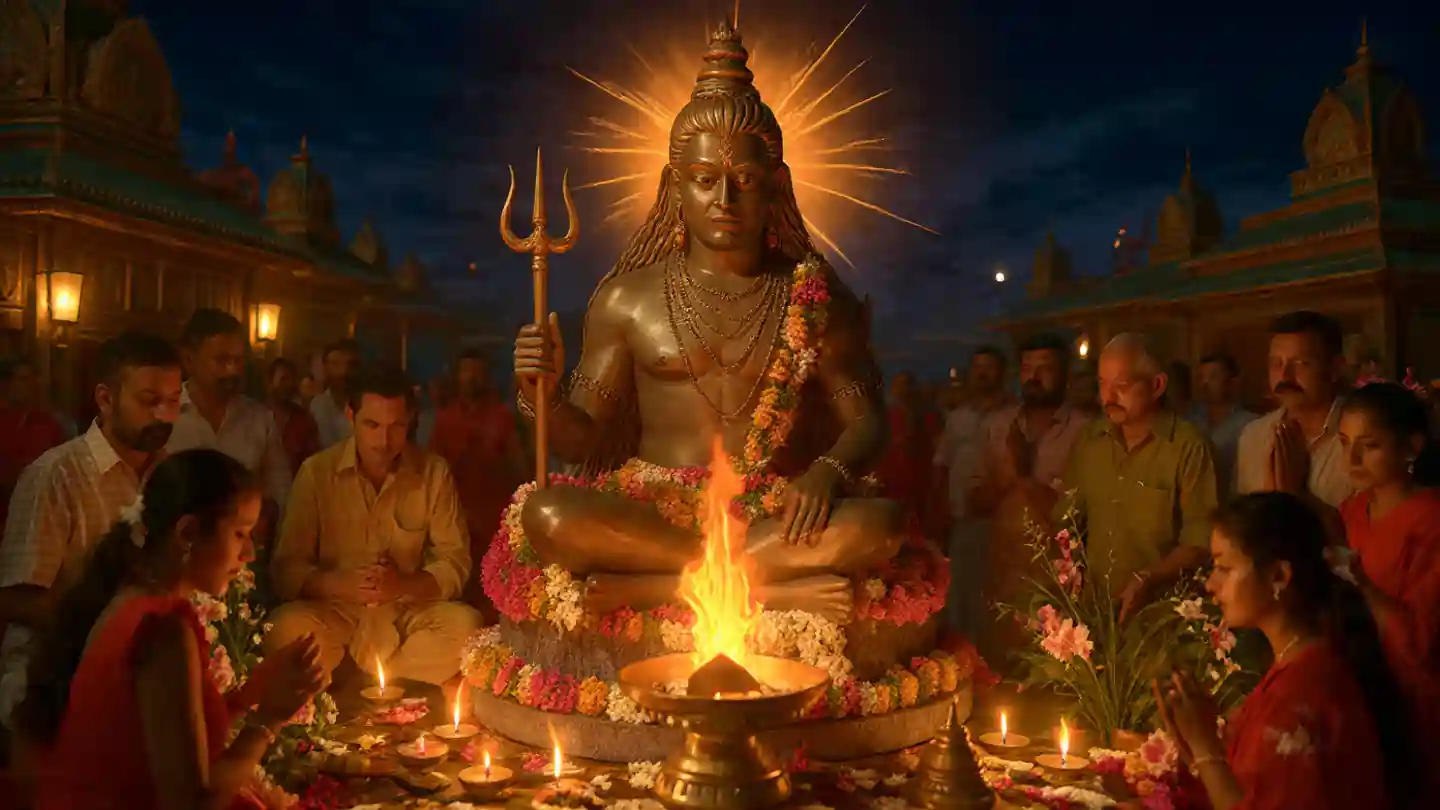
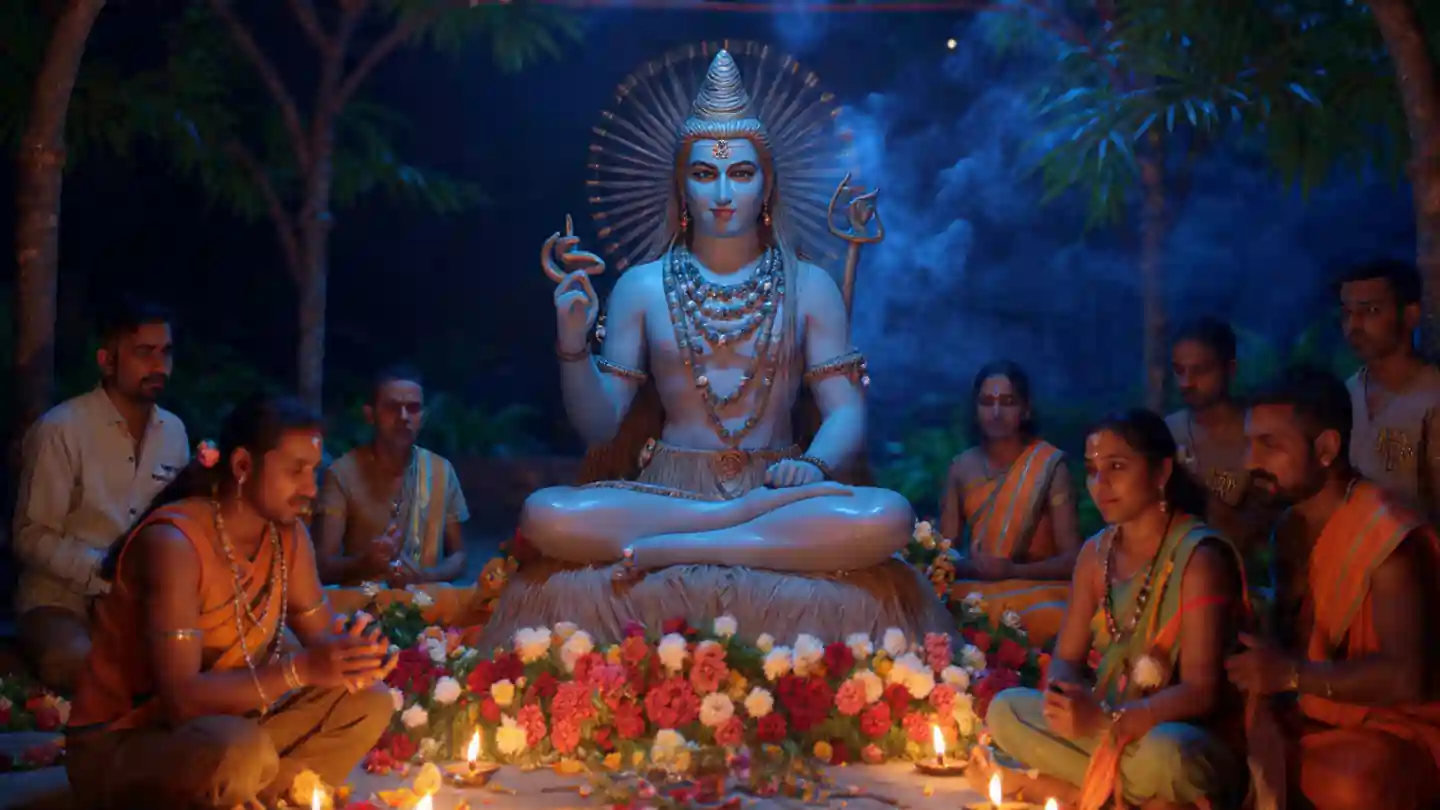
Shivratri is one of the most sacred festivals in Hinduism, dedicated to Lord Shiva, the supreme deity of transformation and meditation. Every year, devotees eagerly wait for Shivratri Tithi & Panchang to observe fasts, perform prayers, and celebrate the divine night with devotion. Understanding the tithi (lunar day), muhurat (auspicious timings), and panchang (Hindu calendar details) helps devotees plan their rituals perfectly.
Date and Day of Shivratri 2025
According to the Hindu calendar, Maha Shivratri 2025 will be observed on Tuesday, March 11, 2025. The festival falls during the Krishna Paksha Chaturdashi of the month of Phalguna. Observing the rituals on this day ensures blessings, spiritual growth, and inner peace.
Shivratri Tithi Details
- Tithi (Lunar Day): Krishna Paksha Chaturdashi
- Start: March 10, 2025, at 11:45 PM
- End: March 11, 2025, at 10:30 PM
The Chaturdashi Tithi is highly significant as it represents the union of Lord Shiva and Goddess Parvati. Devotees perform night-long prayers, chant mantras, and offer Bilva leaves, milk, and fruits to Lord Shiva.
Muhurat (Auspicious Timings) for Shivratri 2025
Performing puja during the auspicious muhurat enhances spiritual benefits. Key timings for Shivratri rituals are:
- Evening Puja: 06:30 PM – 10:00 PM
- Night Worship: 10:30 PM – 12:30 AM (considered most auspicious)
- Early Morning Abhishekam: 04:00 AM – 06:00 AM
It is believed that performing puja during these hours removes negative energies and attracts divine blessings.
Panchang Overview for Shivratri
The Panchang is an essential guide for all Hindu festivals. For Shivratri 2025, the details are:
- Nakshatra: Uttara Ashadha
- Yoga: Vishkumbha
- Karana: Bava
- Vaar (Day): Tuesday
Devotees often refer to these panchang details before starting their puja, fasting, and meditation. Following the Panchang ensures that all rituals align with cosmic energies for maximum spiritual effect.
How to Observe Shivratri
- Fasting: Many devotees observe a full-day fast, consuming fruits and milk. Some practice Nirjala fast (without water) for heightened devotion.
- Night Vigil: Staying awake and chanting Shiva mantras throughout the night is a crucial practice.
- Abhishekam: Offer milk, honey, ghee, and Bilva leaves to the Shiva Linga.
- Temple Visit: Visiting local Shiva temples in the evening and participating in communal prayers strengthens spiritual connection.
- Meditation & Mantras: Reciting “Om Namah Shivaya” and meditating on Lord Shiva is highly recommended.
Spiritual Significance
Shivratri Tithi & Panchang represents the cosmic dance of Lord Shiva and the victory of good over evil. Observing this festival helps devotees cleanse their soul, remove past karmas, and achieve inner peace. It is believed that sincere prayers during Shivratri fulfill desires, remove obstacles, and bring prosperity.
Tips for Devotees
- Begin preparations a day before by cleaning the house and temple area.
- Use fresh flowers and Bilva leaves for offerings.
- Avoid non-vegetarian food and alcohol on this day.
- Share the spiritual experience with family for collective blessings.
📖 Read Also
1️⃣ LPG Gas Cylinder Price Today
2️⃣ Ujjwala Yojana जानकारी
3️⃣ KisanSuvidha Goverment Scheme
4️⃣ Bajrang Baan PDF – बजरंग बाण पाठ, लाभ और महत्व
5️⃣ Shiv Stuti Lyrics – शिव स्तुति का पाठ और अर्थ
FAQs
Q1. What is Shivratri Tithi & Panchang?
Shivratri Tithi & Panchang gives the exact lunar day, nakshatra, yoga, karana, and muhurat to observe Maha Shivratri properly.
Q2. When is Maha Shivratri 2025?
Maha Shivratri 2025 falls on Tuesday, March 11, 2025, during Krishna Paksha Chaturdashi.
Q3. What are the auspicious timings (muhurat) for Shivratri puja?
Evening Puja: 06:30 PM – 10:00 PM; Night Worship: 10:30 PM – 12:30 AM; Early Morning Abhishekam: 04:00 AM – 06:00 AM.
Q4. Why is Shivratri considered important?
It symbolizes the union of Lord Shiva and Goddess Parvati and helps remove negative energies, fulfill desires, and bring spiritual growth.
Q5. How should devotees observe Shivratri?
By fasting, performing night vigil, offering Abhishekam, visiting temples, chanting mantras, and meditating.